
Why Is My Blood Pressure Always High?
By Dr. Akhtar Ali Bandesha
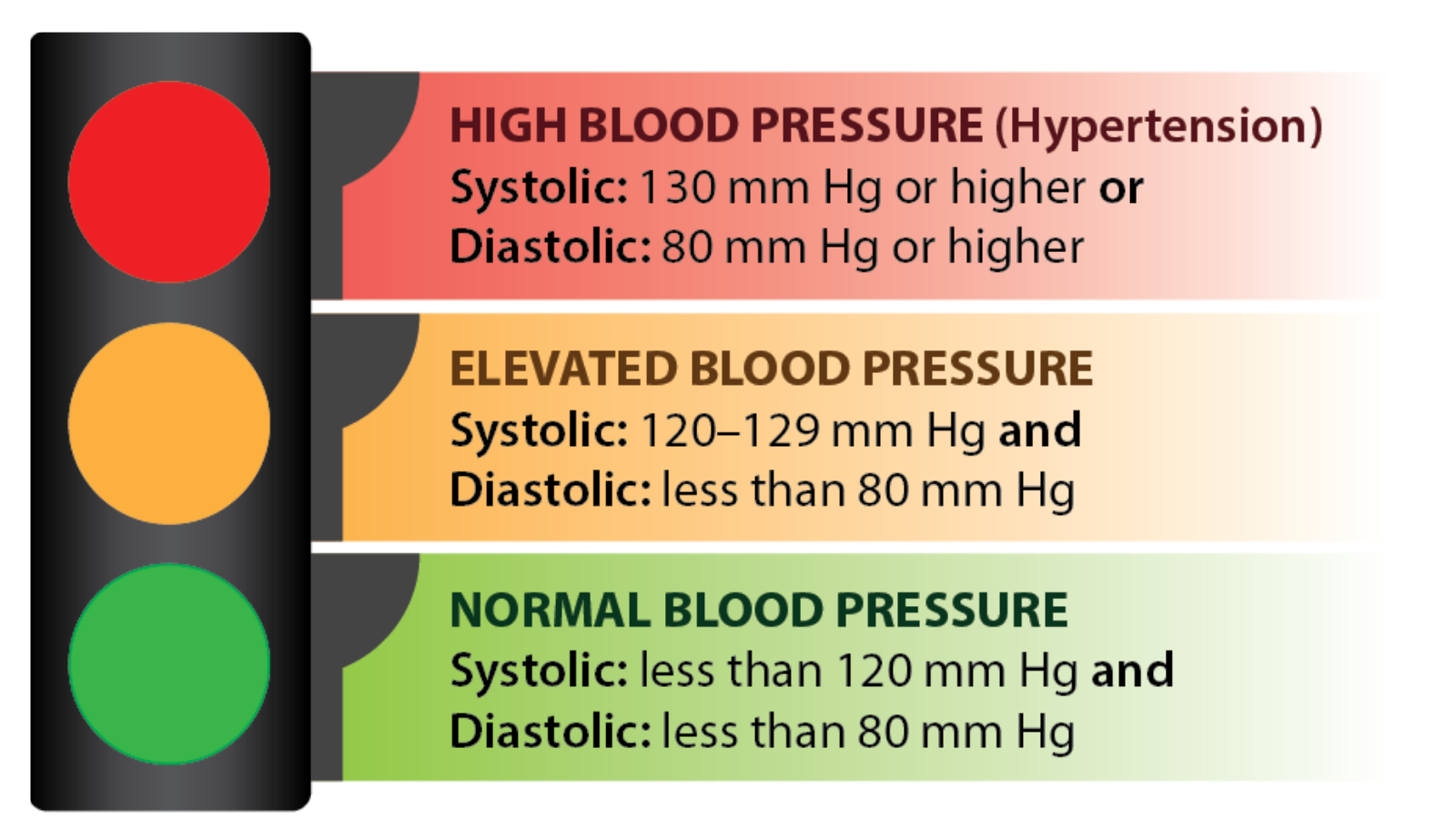
What You Need to Know About Hypertension
Have you ever wondered why your blood pressure stays high even when you’re calm and not feeling stressed? Do you feel scared when the doctor says your blood pressure is “very high,” even though you feel completely fine? You’re not alone. Many people are shocked to learn they have high blood pressure especially when there are no obvious symptoms. The fear of heart attack, stroke, or even sudden death often starts with this one diagnosis. And the worst part? It can silently damage your body for years before you notice anything. This article will help you understand what high blood pressure (also called hypertension) really means, why it happens, what symptoms to look for, what can go wrong if it’s not treated, and how you can take control of your health today.
What Is High Blood Pressure?
Blood pressure is the force of blood pushing against the walls of your arteries as your heart pumps it around your body. When this pressure stays too high for too long, it becomes dangerous. A normal reading is around 120/80 mmHg. If your reading is 140/90 mmHg or higher on multiple occasions, you are considered to have high blood pressure. It’s often called the “silent killer” because most people don’t feel anything wrong. But inside the body, the heart and blood vessels are working under extra pressure. Over time, this damages the organs and increases the risk of serious problems.
Symptoms of High Blood Pressure
Most people with high blood pressure do not feel any symptoms. That’s why it often goes undetected for years. However, some people may experience:
- Frequent headaches
- Dizziness or lightheadedness
- Blurred vision
- Nosebleeds
- Chest pain or tightness
- Shortness of breath
- Feeling tired or confused in severe cases
If you feel any of these, especially along with a high BP reading, consult your doctor immediately.
Why Does It Happen? Common Causes
There are two main types of hypertension:
- Primary (Essential) Hypertension
This is the most common type and usually develops slowly over time with no clear cause. However, several lifestyle and genetic factors increase the risk:
- Eating too much salt
- Being overweight
- Lack of physical activity
- Smoking or alcohol use
- Stress
- Family history of hypertension
- Older age
- Secondary Hypertension
This type happens due to another medical condition or medication. Common causes include:
- Kidney disease
- Hormonal disorders (like thyroid problems)
- Sleep apnea
- Certain medicines such as birth control pills or painkillers
What Can Happen If It’s Not Treated?
Ignoring high blood pressure can be dangerous. Over time, it can silently damage your body and lead to:
- Heart attack – due to narrowed or blocked arteries
- Stroke – caused by a blood clot or bleeding in the brain
- Kidney failure – from damaged blood vessels in the kidneys
- Heart failure – when the heart becomes too weak to pump properly
- Loss of vision – from damage to the blood vessels in the eyes
- Memory problems – due to reduced blood flow to the brain
You may feel fine today, but damage is being done inside your body every day if your blood pressure remains uncontrolled.
How Is It Diagnosed?
Checking blood pressure is easy, quick, and painless. It can be done at home or at the doctor’s clinic using a blood pressure monitor. If your readings are high on more than one occasion, your doctor may diagnose you with hypertension. In some cases, your doctor may ask you to check your blood pressure over 24 hours using a portable monitor to confirm the diagnosis
How Can You Control High Blood Pressure?
The good news is that high blood pressure can be managed very well through lifestyle changes and medicines. Here’s how:
- Lifestyle Changes
- Eat less salt – Avoid processed foods and add less salt to your meals
- Exercise regularly – At least 30 minutes a day, five times a week
- Lose excess weight – Especially belly fat
- Quit smoking and reduce alcohol
- Manage stress – Through relaxation, breathing exercises, or hobbies
- Eat a heart-healthy diet – Rich in fruits, vegetables, and whole grains
These changes can lower your blood pressure naturally and improve your overall health.
- Medication
Sometimes lifestyle changes are not enough, and medicines are needed. Doctors may prescribe blood pressure-lowering medicines that help your heart and arteries relax. These medicines must be taken daily, and you should never stop them without consulting your doctor even if you feel fine. - Regular Monitoring
Keeping track of your BP at home helps you and your doctor see if treatment is working. It also helps you stay motivated to follow your treatment plan.
Conclusion: Don’t Wait for a Scare
High blood pressure may not show any warning signs, but the danger is real. It can slowly damage your heart, brain, kidneys, and eyes without making you feel sick. The key is early detection and proper management. If your blood pressure readings are consistently high, don’t wait for symptoms. Get checked, make changes, take your medicine, and follow up with your doctor. Your heart will thank you later.

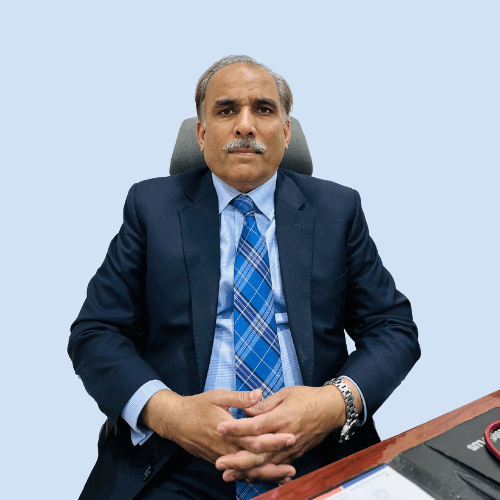
Dr. Akhter Ali Bandesha
Experence : 28 Years
Consultant Cardiologist
M.B.B.S | F.C.P.S (Cardiology)
M.B.B.S | F.C.P.S (Cardiology)