
Hormonal Imbalances-When Your Body’s Chemistry Goes Off Track
By Dr. Muhammad Mujeeb Khan

Ever felt “off” but couldn’t explain why?
- You’re tired all the time, even after a full night’s sleep.
- Your weight keeps fluctuating despite a stable diet.
- You feel more anxious or moody than usual.
- Your periods are irregular or have stopped altogether.
- Or perhaps you’ve been struggling with unexplained acne, hair thinning, or hot flashes?
- These aren’t just everyday complaints they could be signs that your hormones are out of balance.
What are Hormones, and Why Do They Matter?
- Hormones are your body’s chemical messengers, produced by glands like the thyroid, pituitary, adrenal glands, and pancreas.
- They control nearly every major function in the body: growth, metabolism, reproduction, mood, and energy.
- When these hormones are too high or too low, the body begins to send warning signals many of which are easily overlooked.
Common Conditions Caused by Hormonal Imbalance:
- Thyroid Disorders – Hypothyroidism (slow metabolism) or Hyperthyroidism (fast metabolism)
- Diabetes Mellitus – Imbalance in insulin affecting blood sugar control
- PCOS (Polycystic Ovary Syndrome) – Common in young women, affecting fertility and periods
- Adrenal Fatigue/Cushing’s Syndrome – Due to abnormal cortisol levels
- Menopause & Andropause – Hormonal changes in aging women and men
- Pituitary Tumors – Affecting growth, fertility, and more
- Obesity & Metabolic Syndrome – Hormonal regulation plays a key role in weight management
Symptoms You Shouldn’t Ignore:
- Unexplained weight gain or loss
- Persistent fatigue and weakness
- Irregular or painful menstruation
- Hair loss or unusual hair growth
- Depression or sudden mood changes
- Decreased libido or erectile dysfunction
- Sweating, tremors, or palpitations
- Darkening of skin in body folds (possible insulin resistance)
How We Diagnose Hormonal Problems at AIH:
- Comprehensive blood tests including TSH, T3, T4, Insulin, Cortisol, HbA1c, LH, FSH, Testosterone, Estrogen, Prolactin
- Imaging like Ultrasound, CT scan, or MRI to assess gland structure
- Glucose tolerance tests, stimulation/suppression testing for specific conditions
- Expert review of menstrual history, lifestyle, stress levels, and family background
Treatment is Not One-Size-Fits-All
- At AIH, we don’t treat lab numbers—we treat people.
- Management plans are highly individualized, based on:
Type and cause of hormonal imbalance
Age and gender
Lifestyle and personal goals (fertility, weight, mental health, etc.) - Treatments may include:
Hormone Replacement Therapy (HRT)
Insulin therapy or oral medications for diabetes
Thyroid medications (Levothyroxine, Carbimazole)
Lifestyle coaching on diet, sleep, stress, and physical activity
Surgical options in case of tumors or gland enlargement
Why It’s So Important to Treat Hormonal Imbalances:
- Left untreated, these imbalances can lead to:
- Infertility and miscarriages
- Heart disease and stroke
- Severe depression or anxiety
- Permanent damage to organs and glands
- Osteoporosis or brittle bones
- Dangerously high blood sugar or blood pressure
- Early intervention saves lives and quality of life.
A Note from Dr. Mujeeb Khan:
“Hormonal issues aren’t just numbers on a lab report they affect how you feel, how you live, and how you connect with those around you. At AIH, I work with each patient to get to the root of the problem and offer not just treatment, but hope and healing.”
Why Choose Advanced International Hospital (AIH)?
- Multidisciplinary approach combining endocrinology, nutrition, internal medicine, and psychology
- State-of-the-art diagnostics and lab support
- Personalized care plans designed for long-term health
- Empathy-first approach to women’s health, aging concerns, and chronic disease management

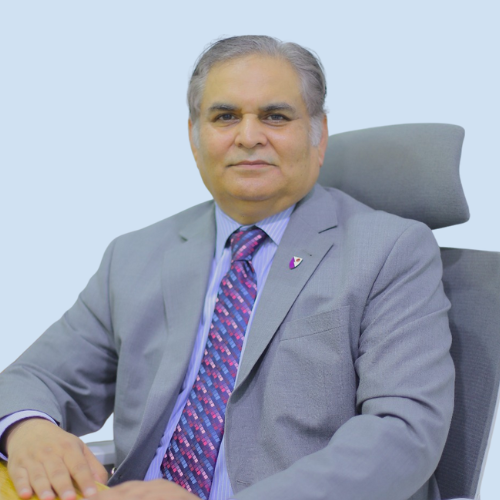
Dr. Muhammad Mujeeb Khan
Experence : 30 Years
Consultant Physician | Diabetologist | Infectious Disease Specialist | Endocrinologist
M.B.B.S | F.C.P.S (Medicine) | Dip in Diabetes Mellitus (UK) | MSc Infectious Diseases (LSHTM-UK) | PG Diploma in Nutrition (Pakistan)
M.B.B.S | F.C.P.S (Medicine) | Dip in Diabetes Mellitus (UK) | MSc Infectious Diseases (LSHTM-UK) | PG Diploma in Nutrition (Pakistan)